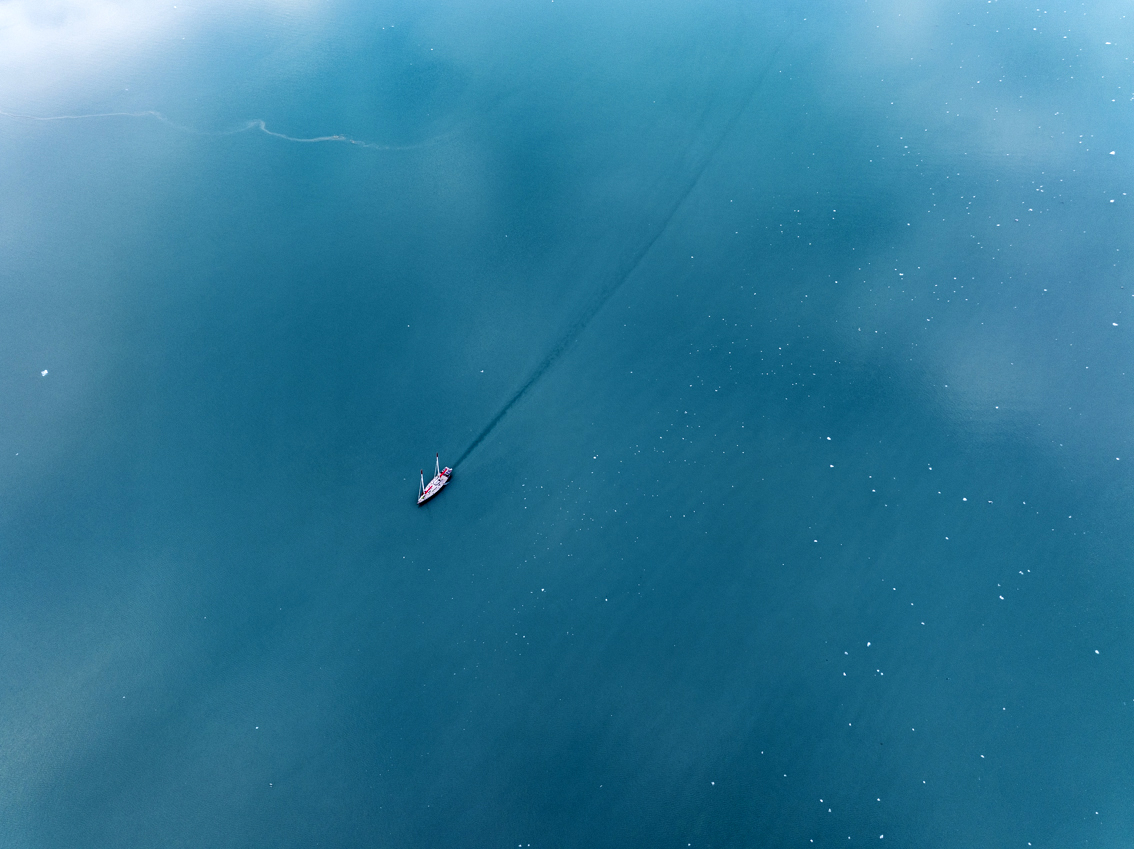
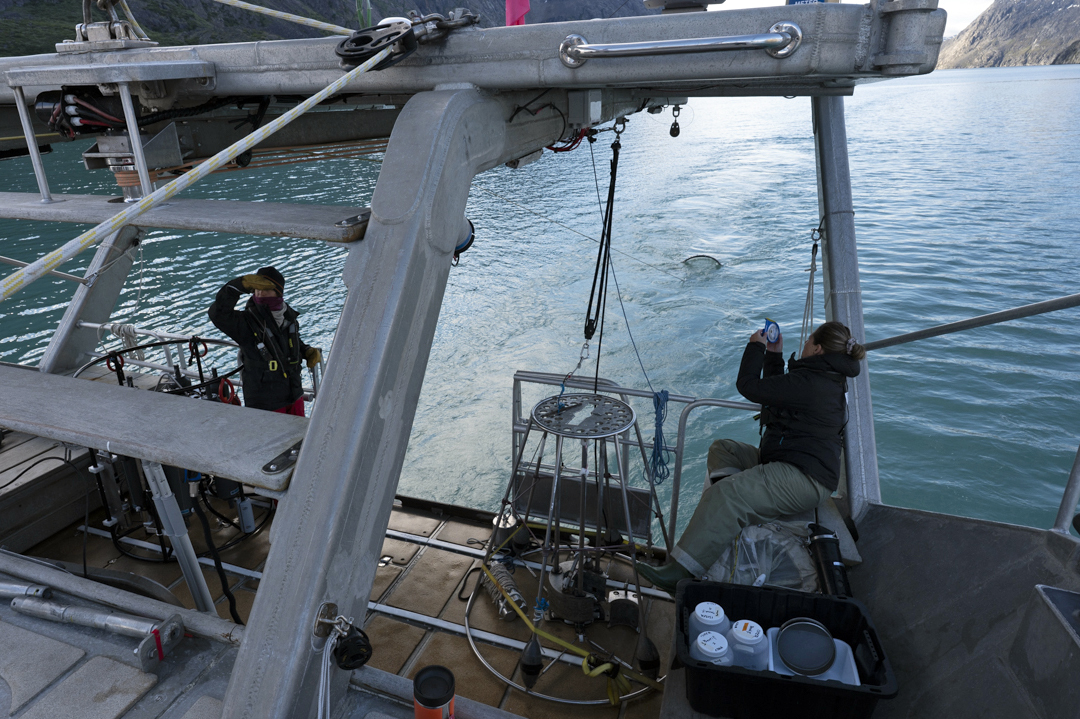



Although each scientific team addresses different research questions, their work is closely interconnected. Together, they investigate the interactions between glaciers, the ocean and marine ecosystems to better understand carbon cycling, biodiversity and the evolution of Arctic fjords.
This first phase of the expedition brings together three complementary research projects.
GreenCORE – Tracing Carbon from Glaciers to the Ocean
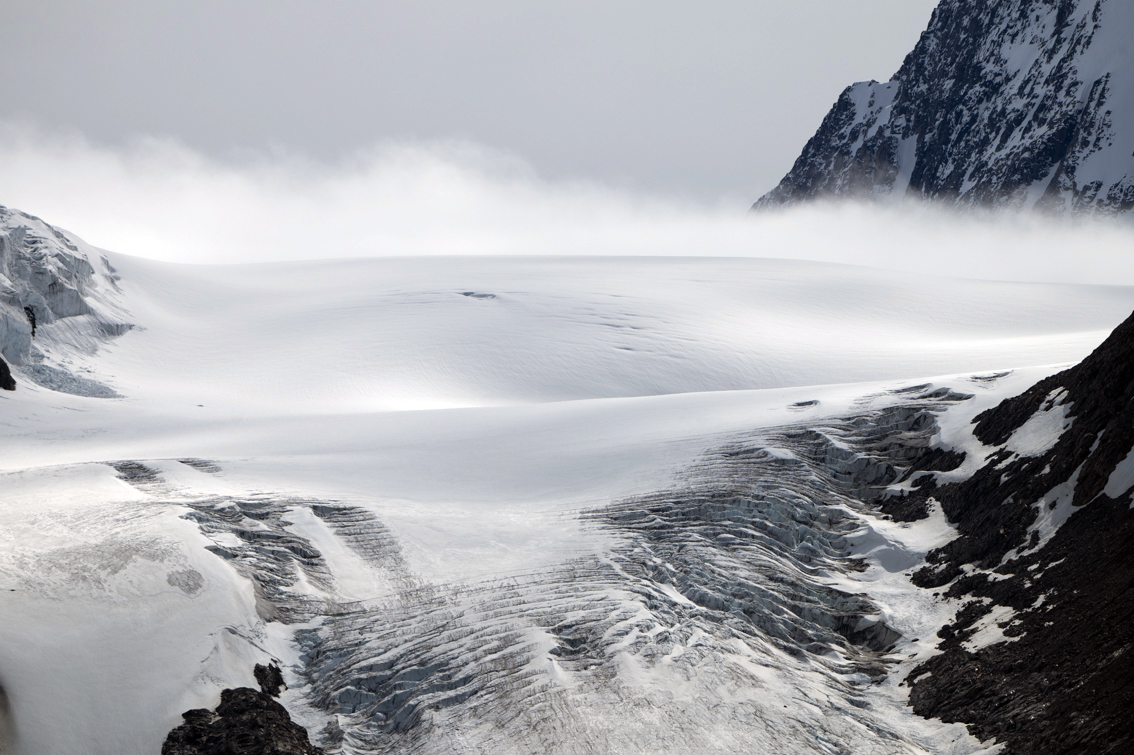
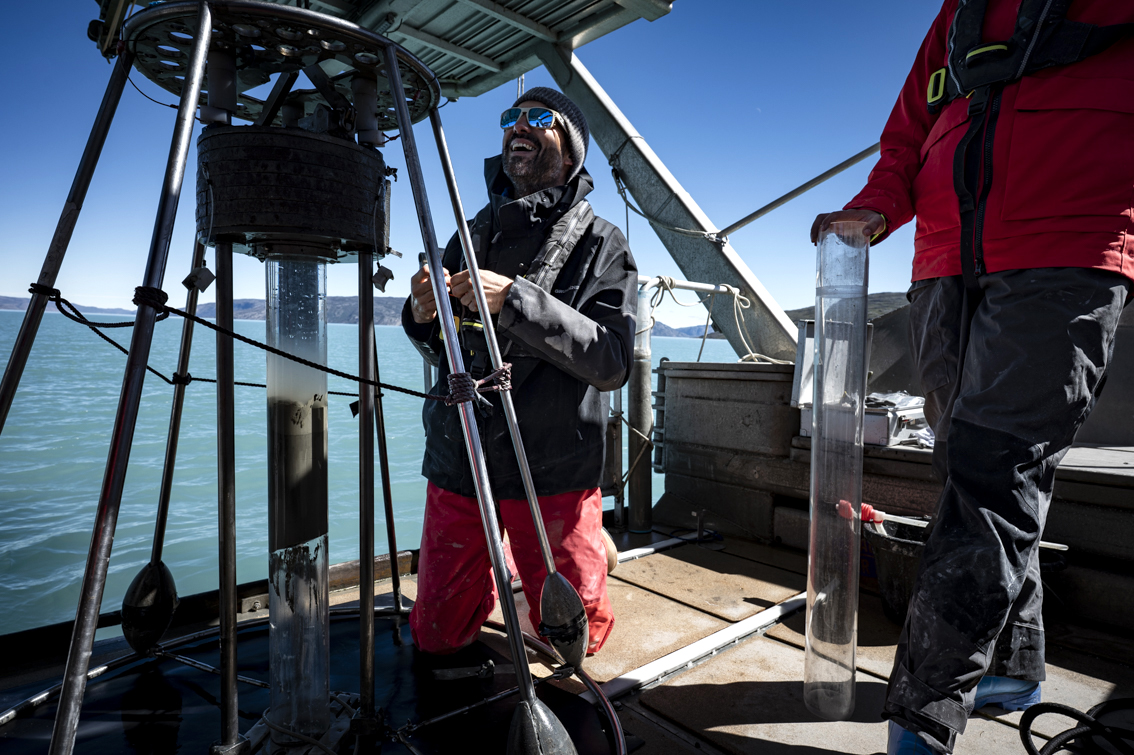
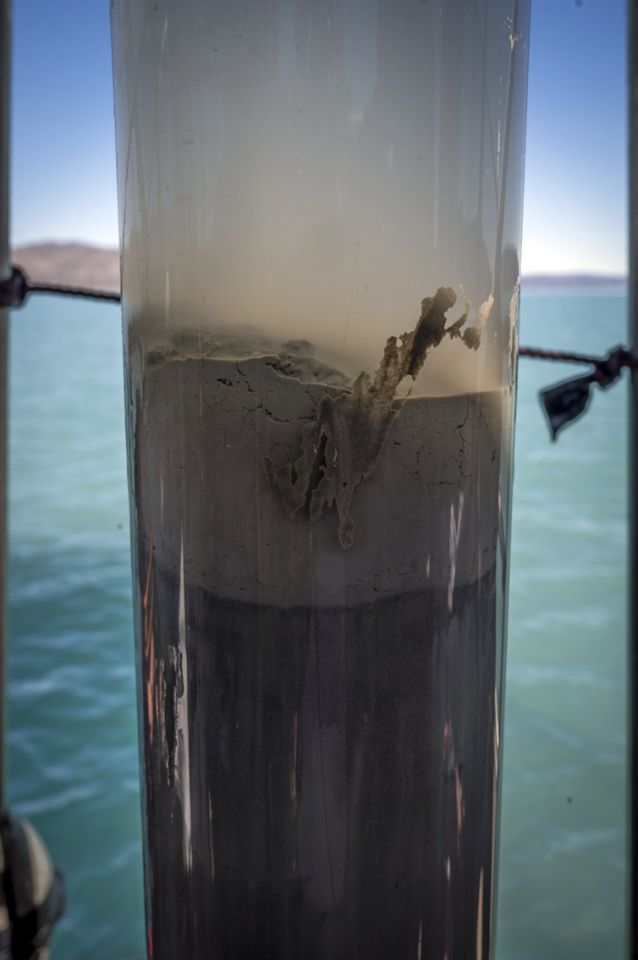
Led by Professor Frederic Herman (University of Lausanne – UNIL), the GreenCORE project investigates how sediments and organic carbon are transported from glaciers through fjords to the ocean. By analysing sediment cores collected from the seafloor, researchers aim to reconstruct past environmental changes and improve our understanding of how Arctic landscapes may evolve in the future.
MICROFJORD – Exploring the Invisible World of Arctic Fjords
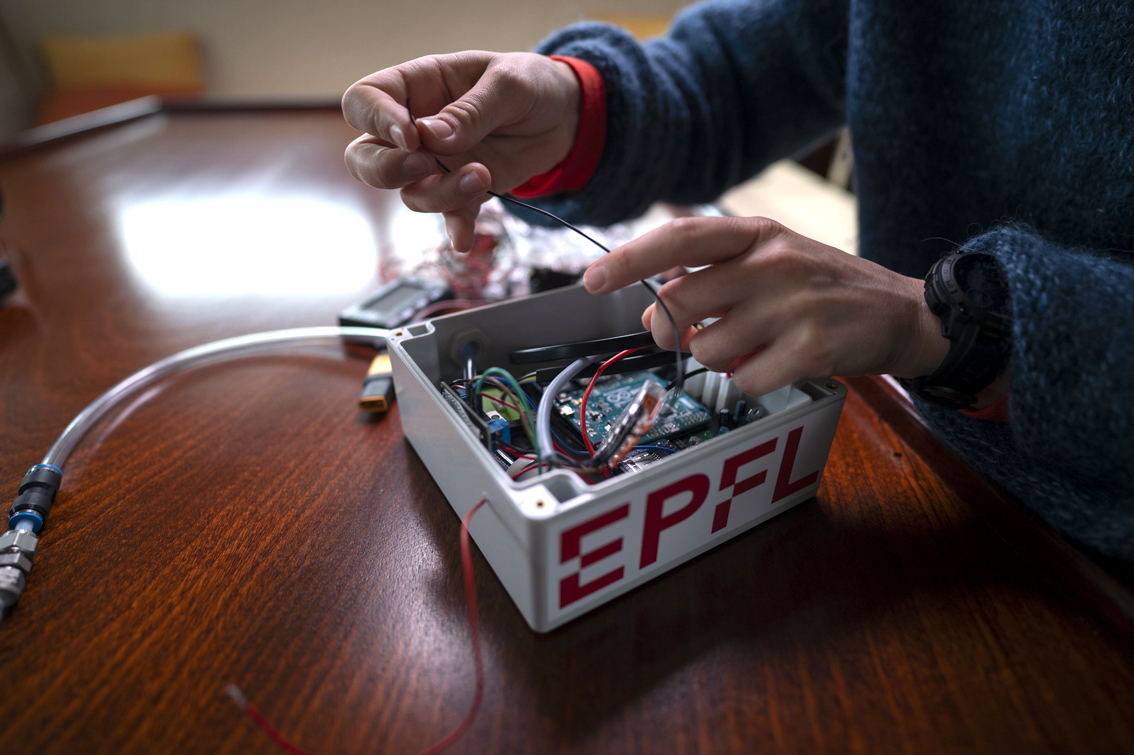
Led by Dr Julia Schmale (EPFL), the MICROFJORD project focuses on the microorganisms inhabiting Greenland's fjords. By studying these microscopic communities and their interactions with the surrounding environment, scientists seek to better understand their role in carbon cycling and the functioning of marine ecosystems.
Uncertain Seas – Understanding Arctic Food Webs
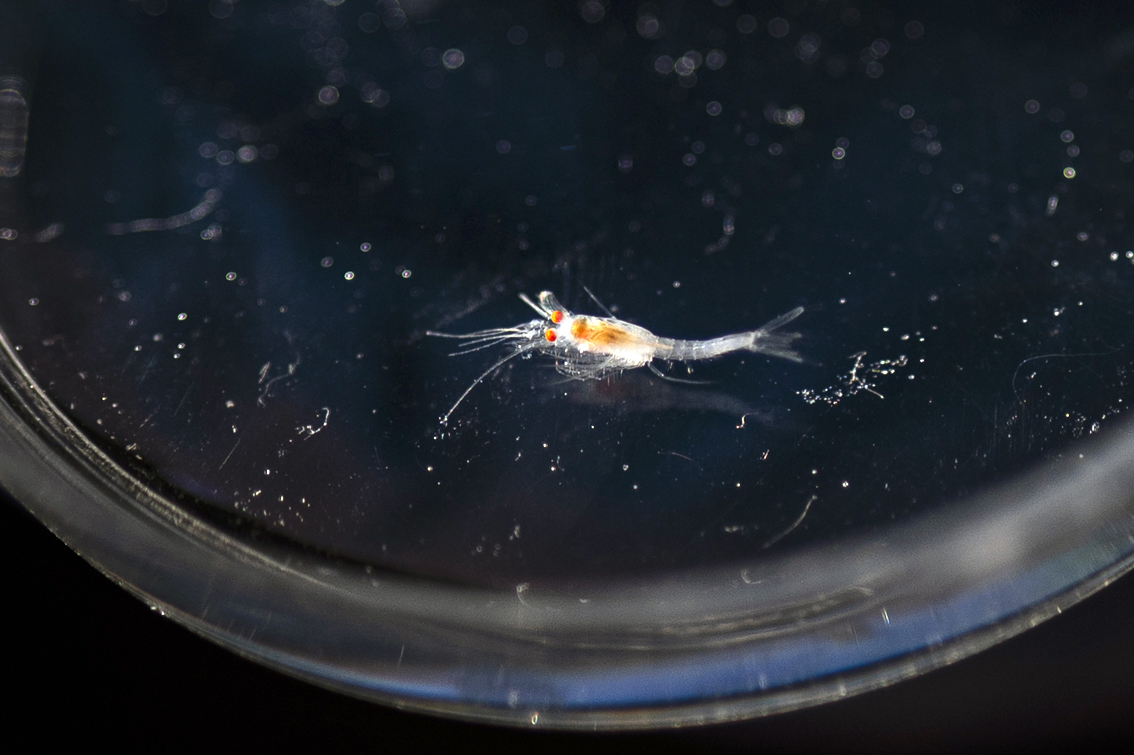
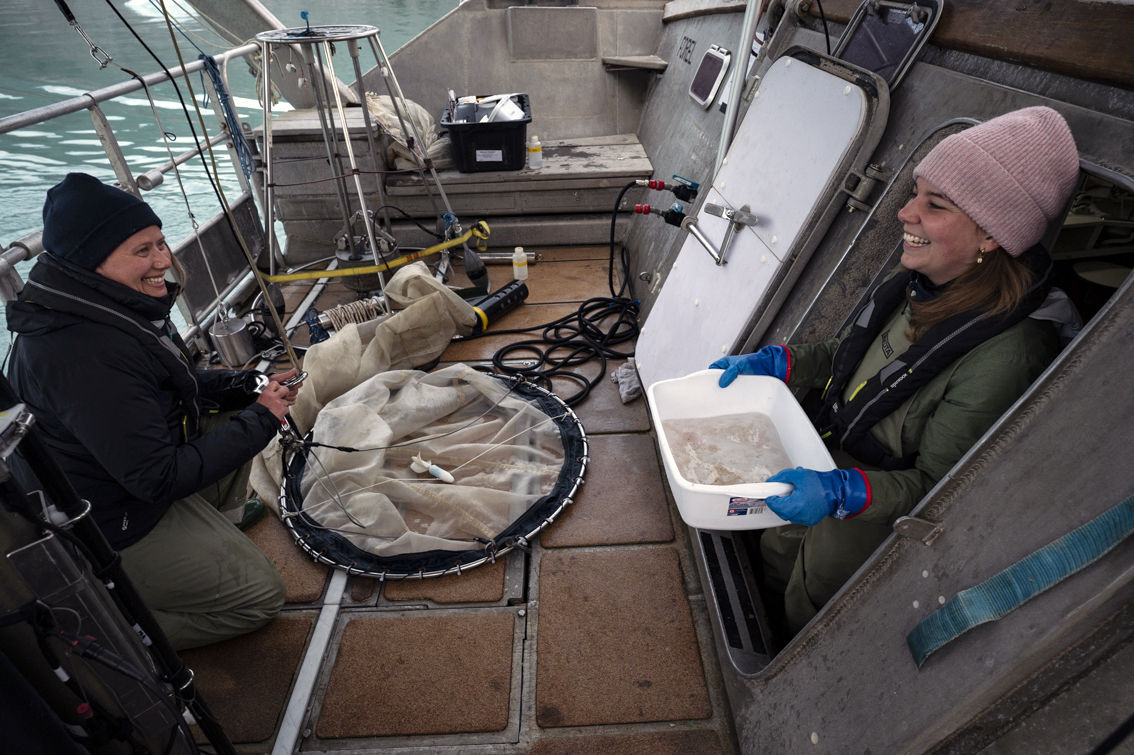
Led by Professor Caroline Bouchard (Université Laval), the Uncertain Seas project investigates plankton communities and marine food webs to better understand the role of zooplankton and fish in the ocean's biological carbon pump, a key process that transfers carbon from the ocean surface to the deep sea.
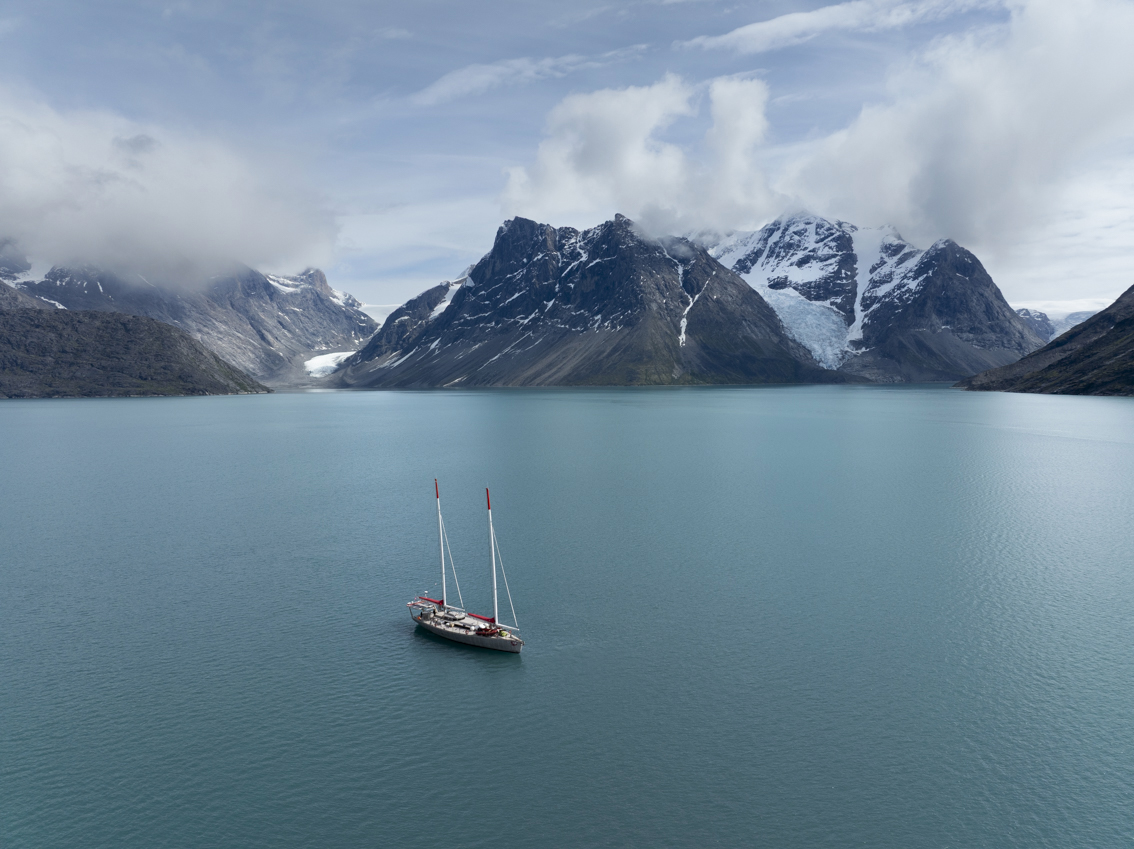
This is only the beginning of the 2026 scientific campaign. As FOREL continues her journey south before heading towards northeast Greenland, new scientific teams and research projects will join the expedition, further contributing to our understanding of Arctic ecosystems.
photos : Julien Girardot